
10% off through Sep. 15th!
Garage sub panel and load shedding device with the conduit run starting along the ceiling

Electric Heater Installation in Seattle

Baseboard heaters, wall and fan-forced units, garage and shop heat, and in-floor radiant, each sized to the room and run on its own 240V circuit. We check what your panel can carry before quoting.

Call(425) 202-5529

WA Lic #CHARGCH761KL · Most jobs scheduled the same week

Baseboard, Wall, Garage and Radiant

Electric Heater Installation

Four kinds of electric heat, chosen by the room rather than by preference.

Baseboard Heaters

The most common electric heat in Seattle-area homes, and the easiest to replace. Each length is sized to the room and usually gets its own 240V circuit and thermostat, which is what makes the heat zoneable.

Wall and Fan-Forced Heaters

A recessed can in the wall cavity with a fan behind the grille. Good where there is no floor space for baseboard: bathrooms, entryways, small hallways, and additions.

Garage and Shop Heaters

Mounted high and out of the way, on a dedicated 240V circuit sized to the unit. Usually the same trip as the shop circuits and lighting, since the wall is already open.

In-Floor Radiant Heat

Mat or cable under tile, on a GFCI-protected circuit with its own floor sensor and thermostat. It goes in while the floor is up, so it belongs to a bathroom or kitchen remodel rather than to a later visit.

Sizing a Heater

Ten watts per square foot is the working rule, so a 12 by 12 bedroom wants around 1,440 watts. A room with a lot of glass, an exposed corner, or an uninsulated wall behind it needs more than the rule says. An undersized heater never reaches the set point and runs constantly trying, which is the usual reason a room feels cold with the heat apparently on.

240V and the Circuit

Most baseboard and wall heaters run at 240V on a dedicated two-pole breaker sized to the wattage on that circuit. A heater cannot share with outlets or lighting. Several short lengths in one room can sometimes share, which is worth asking about when a large room needs heat along two walls.

Line-Voltage and Smart

Thermostats & Zoning

The control is half of what you are buying, and it is where electric heat is genuinely better than a central system.

Line-Voltage, Not Low-Voltage

Electric heaters switch the full circuit, so they need a line-voltage thermostat rated for the load. A Nest or an Ecobee is a low-voltage thermostat built to signal a furnace, and it cannot carry a heater circuit. Smart line-voltage thermostats exist and do the same things you would want from one, including schedules and phone control.

A Thermostat Per Room

This is the real advantage over ducted heat. Every room is its own zone, so a spare bedroom or a workshop costs nothing when it is empty, and the room someone is actually in can be warmer than the rest of the house without heating the rest of the house to match.

What It Costs

What Determines Heater Installation Cost?

Four things, in about this order of impact.

Heater Type and Size

A length of baseboard is the low end. A fan-forced wall unit, a shop heater, or a radiant floor mat each cost more, and the wattage the room needs sets the rest.

Whether a Circuit Exists

Replacing a heater on a circuit that already serves one is quick. A room that has never had electric heat needs a new 240V home run and a two-pole breaker.

Panel Capacity

Electric heat is one of the heaviest loads in a house. Adding several rooms of it is the kind of job that finds the limit of a 100A service, and we check that before quoting rather than after.

Walls and Access

An open stud bay on an exterior wall is straightforward. Plaster and lath, a finished ceiling below, or a slab floor all add time to get the cable where it needs to go.

Every estimate is free and itemized per room, so you can see what each one costs and do them in stages if you would rather.

Customer Reviews

Real Reviews From Greater Seattle Homeowners

Martin G.

Seattle

Kadin and Troy did an excellent job on the heater install.
HouseCall Pro

Anthony P.

Redmond

Troy made himself available same day of call on a Saturday, was courteous, clean and explained what he was going to do and did exactly that. A reasonable estimate was provided up front and there were no changes at final bill. I will recommend them.

Ali P.

Seattle

Extremely efficient. We had them coming and work around the house on a number of projects. Got it done on TIME. We had an small follow up issue and they came back right away to fix it...i love the fact that they stand behind their work. No fuss no muss !

Over 100 five-star reviews across Google, Yelp, and more. See all reviews

Common Questions

Frequently Asked Questions

Replacing a heater where a circuit and thermostat already exist is the low end. Putting electric heat into a room that has never had it costs several times that, because it needs a 240V home run, a two-pole breaker, and a thermostat. We price it per room on a free walkthrough.

Ten watts per square foot is the working rule, so a 12 by 12 bedroom wants around 1,440 watts. Rooms with a lot of glass, an exterior corner, or a poorly insulated wall need more, and we size on the room in front of us rather than the rule.

No. Baseboard and wall heaters switch line voltage, and a Nest is a low-voltage thermostat that cannot carry that load. There are smart line-voltage thermostats built for exactly this, and we install those.

Almost always. Most baseboard and wall heaters run at 240V on a dedicated two-pole breaker, sized to the total wattage on that circuit. Several short lengths in one room can sometimes share a circuit; a heater sharing with outlets or lights cannot.

Per unit of heat it costs more than a heat pump. What it buys back is control: each room has its own thermostat, so you are only heating the rooms in use, and the ones you keep cold cost nothing. For an addition, a garage, or a room the central system never reached, that usually wins.

Yes, and it is the most common version of this job. Old units get noisy, discolor the wall above them, and lose output as the element ages. If the circuit and the wall are sound, a swap is usually a short visit per heater.

Free Estimate

Get Your Free Estimate

We respond to most requests within the hour, but will get back to you within a day at the latest.

Preferred Contact Method
Add details (optional)

What's Included in Every Heater Install

  • Licensed, insured electricians
  • Heaters sized to the room
  • Dedicated 240V circuits
  • Permits pulled where required
  • Upfront pricing before we start
  • Workmanship warranty

Prefer to talk it through?

How It Works

From a Cold Room to a Warm One

1

Tell Us the Rooms

Call or send the form with which rooms need heat, whether there is anything there now, and roughly how big they are. A photo of your panel helps us see what it can carry.

2

Free Estimate

A licensed electrician measures the rooms, sizes the heaters, checks the panel, and prices each room on one itemized sheet. You see the number before any work starts.

3

Installed and Tested

Heaters mounted, circuits run and landed, thermostats set, and each zone brought up to temperature before we leave.
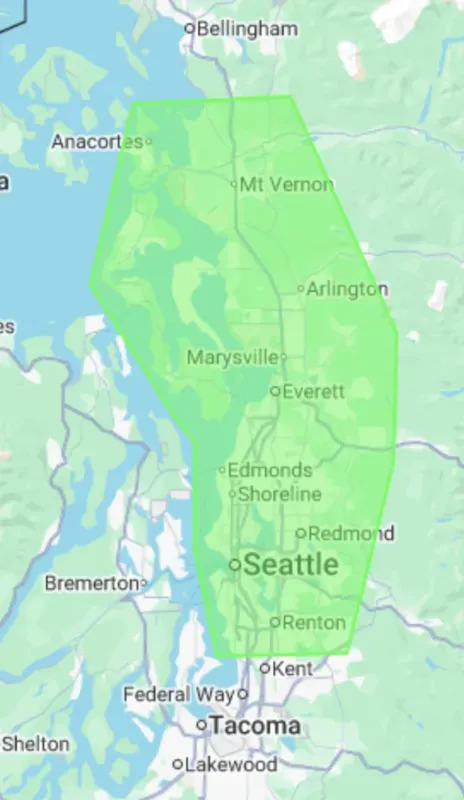
In Charge Home Electric serving the Greater Seattle area

Our Service Area

Electric Heater Installation Across Greater Seattle

We install and replace baseboard heaters, wall and fan-forced units, garage and shop heat, in-floor radiant, and line-voltage thermostats, from Seattle to Mount Vernon. Free estimates, upfront per-room pricing, and a full warranty are the In Charge Home Electric standard for all projects.

Our service area includes

SeattleBellevueRentonKirklandRedmondBothellShorelineBurienTukwilaEverettArlingtonMount VernonLynnwoodMarysvilleEdmondsKenmoreMercer IslandSnohomishSammamishMedina

and surrounding communities