
Conduit leaving the septic controls, starting its run along the building toward the panel

Septic System Electrical Installation in Seattle

Pump circuits, control panels, float switches, high-water alarms, and disconnects, wired from your panel out to the tank, permitted and inspected. New systems, pump replacements, and systems that keep tripping.

Licensed, Bonded, & Insured
Over 100 Five-Star Reviews
Free Estimates
Upfront Pricing
Permits and Inspection Included
2-Year Warranty
Call(425) 202-5529

WA Lic #CHARGCH761KL · Most jobs scheduled the same week

Pumps, Controls, Alarms and Disconnects

Septic System Electrical Installation

Four pieces, two circuits, and a run of conduit between the panel and the tank:

The Pump Circuit

A circuit of its own from the panel out to the tank, with nothing else on that breaker

The Control Panel

The box on the wall that decides when the pump runs, fed by the float switches in the tank

The High-Water Alarm

A horn and a light saying the tank is filling faster than it is emptying

The Disconnect

A weatherproof switch within sight of the pump, so power can be cut at the tank

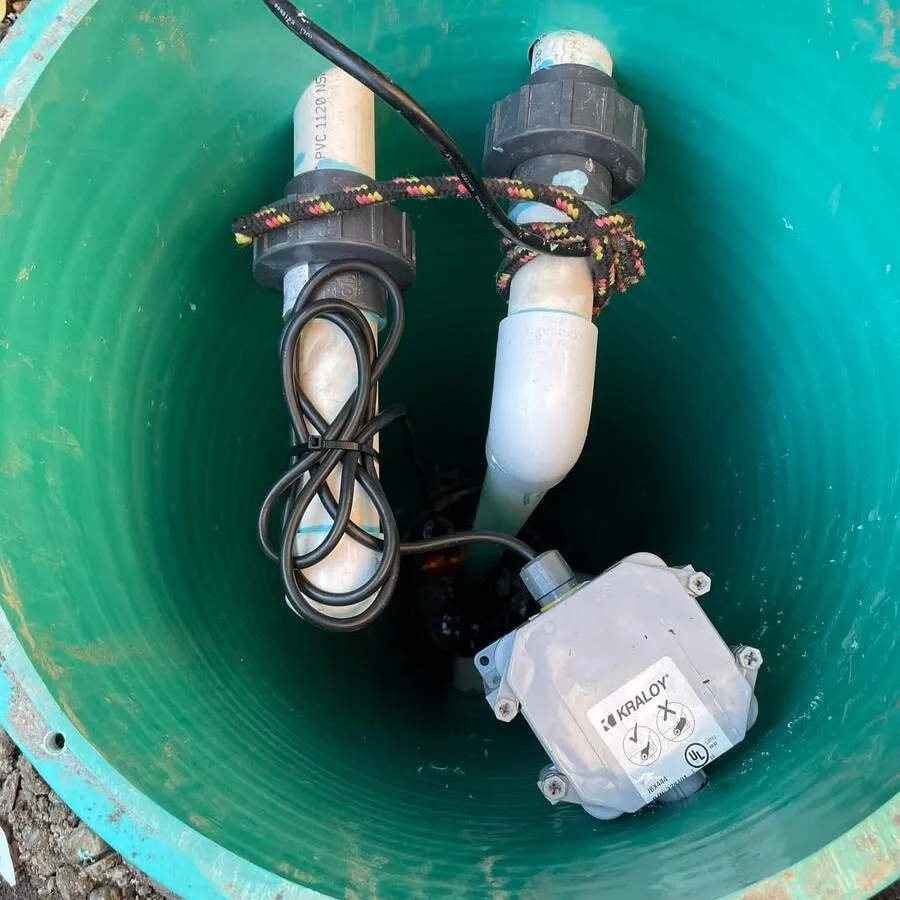
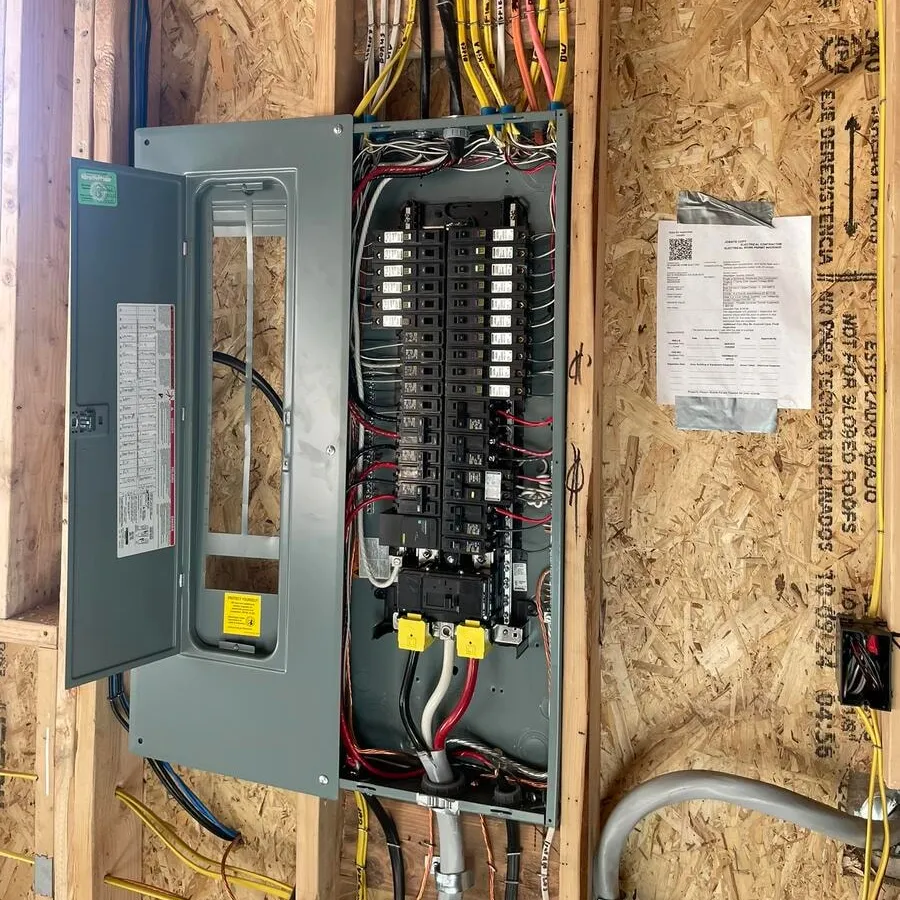
Final wiring landed inside a septic system control enclosure
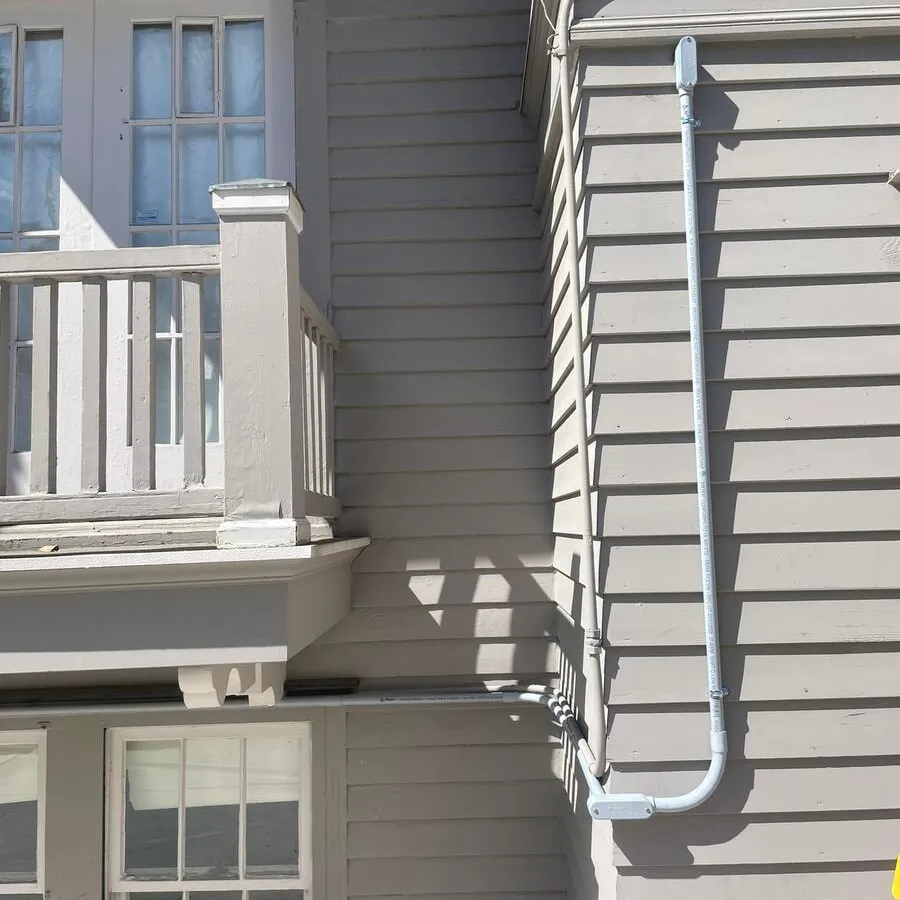
Septic control conduit rising up the side of the house where it terminates near the panel

The Run to the Tank

Conduit, not buried cable, for anything going out to a septic tank. It keeps the wire replaceable, which matters on a circuit that lives in wet ground beside something that gets dug up every few years. The trench depth comes from the code and the route comes from your yard.

Where the Alarm Goes

An alarm mounted on the far side of the garage is an alarm nobody hears. We put the horn and the light where someone in the house will notice at two in the morning: a hallway, a laundry room, the wall beside the back door. Then we test it by lifting the float, which is the only test that proves the whole chain works.

New Systems, Replacements and Faults

New Installs, Failed Pumps, and Breakers That Trip

Three different calls come in about septic electrical, and they want three different answers.

A System Going In New

Get us involved at the plan stage. The septic designer specifies the controls and the county health department approves the system. The electrical permit, the circuits, and the inspection are separate, and they are ours. The reason to talk early is the trench: one dig carrying both the septic line and the electrical conduit costs a great deal less than opening the ground twice.

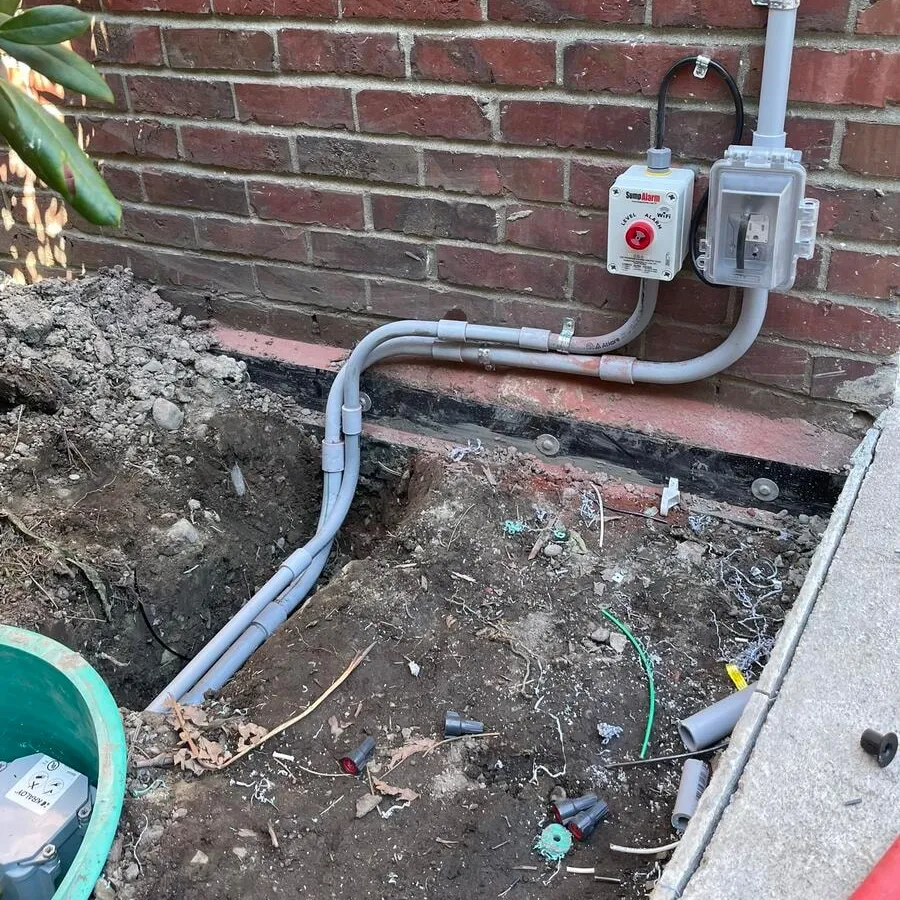
Conduit from the septic controls to the tank, laid in an open trench
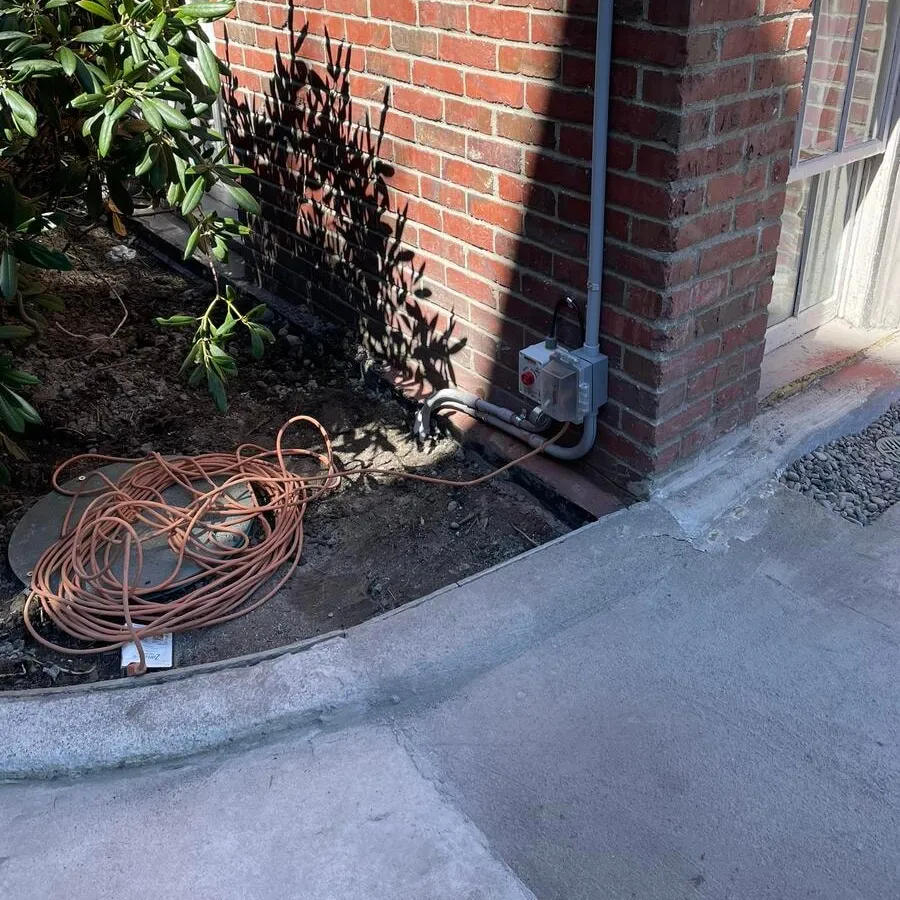
Septic system conduit run with the trench backfilled

Replacing a Pump

The pump itself is your septic company. Our part is confirming the circuit, the floats, and the controls are sound before the new pump goes in, so it is not landing on whatever killed the last one. If the old pump died because water got into a splice underground, that turns up now instead of in a year.

A Breaker That Keeps Tripping

A septic breaker that trips is telling you something, and there are only a few things it can be: a pump drawing more than it used to, moisture in a box or a damaged conduit, or a circuit that was undersized from the start. Testing the circuit separates a wiring fault from a failing pump, which decides whether you need us or your septic company. Call (425) 202-5529 and we will come and find out.

What It Costs

What Determines Septic Electrical Cost?

Almost all of it is the ground between the panel and the tank, and almost none of it is the pump:

Distance to the Tank

The biggest factor by far, since the conduit, the wire, and the digging all scale with it

Trench or Existing Conduit

Intact conduit already in the ground means pulling new wire through it instead of opening a trench

Pump Only or Full Controls

A pump on working controls is the low end, and a panel, floats, alarm, and disconnect from scratch is the high end

Panel Space

Two circuits go out to a septic system, so a panel with no room needs a subpanel first

Estimates are free and itemized, and where a septic installer is already booked we price the electrical to fit their schedule instead of the other way round.

Customer Reviews

Real Reviews From Greater Seattle Homeowners

Jonathan F.

Renton

“We had an excellent experience with this company. The technicians went above and beyond, delivering very clean, professional work and taking the time to explain everything in detail. We appreciated their honesty in recommending only the work that was truly necessary rather than trying to upsell additional services. They answered all of our questions and addressed every concern throughout the process. A special thank you to Troy, who was incredibly informative from the very first call. He walked us through every step of the project, explained how they would coordinate with PSE, and handled the inspection process to ensure everything was completed correctly. The communication, professionalism, and customer service were outstanding. We are very happy with their work and would highly recommend them.”
Allan O.

Renton

“Troy and Kadin did an outstanding job installing a new power source for a device in my back yard and I am very happy with the results! They were both very professional and went above and beyond answering my questions and were prompt in getting back to me. I recommend them very highly for any electrical issue, and I will definitely call upon them again for my next project.”

Donald P.

Monroe

“Kadin and Troy were fantastic to work with. Communication was great from the very beginning which is a big deal for me. Troy was very thorough as we did the walk through and estimate so he knew how to provide the best possible service. We received multiple quotes for our job and they were competitively priced. Kadin and his team arrived on time and confirmed what we wanted before starting. Kadin holds his team to a high standard and his work shows. They cleaned up up afterward and ensured we were pleased and did not have any concerns. I highly recommend In Charge Home Electric and will use them for any future needs.”

Over 100 five-star reviews across Google, Yelp, and more. See all reviews

Common Questions

Frequently Asked Questions

Distance to the tank sets it. Pulling new wire through conduit that is already in the ground is the low end; trenching a long run across a yard for a new system is several times that. Replacing a pump on working controls sits between them. Estimates are free and itemized, so you can see the trench, the controls, and the circuits as separate lines.

It means the tank is filling faster than the pump is emptying it, so treat it as urgent and go easy on the water. Silencing the horn does not fix anything. If the pump runs but the level stays high, that is your septic company; if the pump does nothing and the breaker has tripped, or the alarm panel is dark, call us.

It comes off the nameplate, not off a rule. A typical residential effluent pump runs on a dedicated 20A/120V circuit; larger pumps, aerobic treatment units, and some mound systems are 240V. We size it to the pump being installed, which is why the model matters more than the tank size.

Seven to fifteen years, depending on how hard it works and how much it is asked to lift. The first signs are usually electrical rather than plumbing: the alarm sounding occasionally, or a breaker that has started tripping when it never used to. Neither means the pump has failed yet, and both are worth acting on before it does.

The septic system itself is approved by your county health department, and that part sits with your septic designer and installer. The electrical is a separate permit and inspection, and that part is ours. We pull it and meet the inspector.

Yes, and the useful time to put us in touch is as soon as the system is designed. What we need from them is the control panel the designer specified, the tank location, and the date the excavator is booked. We work the sequencing out with them directly from there, so you are not relaying dates between two trades.

It should not. If the pump trips its breaker and the alarm is on that same breaker, the alarm cannot tell you the pump has stopped, which is the one moment you need it. Two circuits is the standard way to wire it and it is what we install.

Most control panels have a test button that sounds the horn and lights the panel. Press it a couple of times a year. If nothing happens, the alarm, the float, or the circuit has failed, and any of the three is worth a visit before you find out the hard way.

Free Estimate

Get Your Free Estimate

We respond to most requests within the hour, but will get back to you within a day at the latest.

Preferred Contact Method

Photos (optional)

Add details (optional)

What's Included in Every Septic Hookup

  • Licensed, insured electricians
  • Circuits sized to the pump nameplate
  • Alarm on its own circuit
  • Weatherproof conduit and enclosures
  • Electrical permit and inspection handled
  • Workmanship warranty

Prefer to talk it through?

How It Works

From the Plan to a Tested Alarm

1

Tell Us the System

Call or send the form with what you have or what is being installed, roughly how far the tank is from the house, and whether there is conduit in the ground already. Your septic designer's plan tells us most of it.

2

Free Estimate

A licensed electrician walks the route from the panel to the tank, checks panel space, and prices the circuits, the controls, and any trenching on one itemized sheet.

3

Wired, Inspected and Tested

Conduit and wire in, controls and disconnect mounted, alarm tested with the floats, and the electrical inspection signed off, timed so the trench is not waiting on us.

In Charge Home Electric serving the Greater Seattle area

Our Service Area

Septic System Wiring Across Greater Seattle

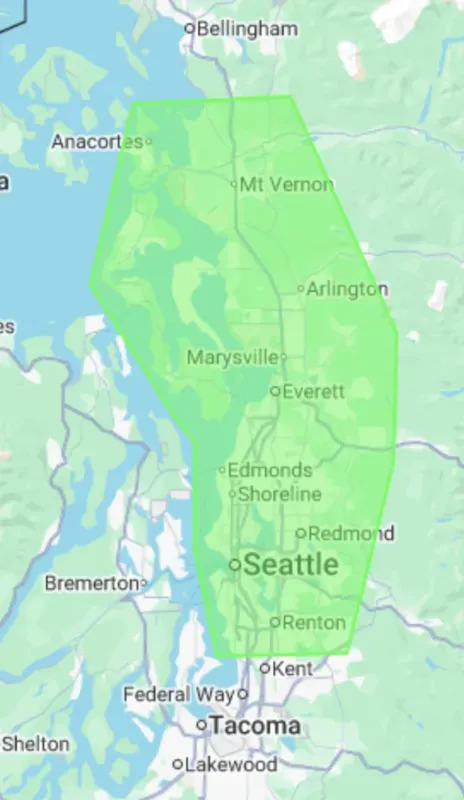
We wire septic and effluent pumps, control panels, float switches, high-water alarms, and disconnects, and run the conduit between your panel and the tank, from Seattle to Mount Vernon. Free estimates, upfront pricing, and a full warranty are the In Charge Home Electric standard for all projects.

Our service area includes

SeattleBellevueRentonKirklandRedmondBothellShorelineBurienTukwilaEverettArlingtonMount VernonLynnwoodMarysvilleEdmondsKenmoreMercer IslandSnohomishSammamishMedina

and surrounding communities